How To Navigate Cairo Airport Arrivals & Departures In 2026?
Navigating Cairo International Airport (CAI) in 2026 is straightforward once you understand the flow of arrivals and departures. This guide breaks down the…
By Cairo Airport Guide - Admin · Editorial policy
Navigating Cairo International Airport (CAI) in 2026 is straightforward once you understand the flow of arrivals and departures. This guide breaks down the entire process—from landing to leaving the airport, and from arriving at the terminal to boarding your flight—so you can move through CAI with confidence, whether you're a first-time visitor, a frequent flyer, or just passing through.
Key Takeaways
- Cairo Airport operates three main terminals, each serving different airlines and flight types; knowing your terminal is the first step to a smooth journey.
- The arrivals process involves distinct stages: immigration, baggage claim, and customs, each with its own potential bottlenecks and time requirements.
- For departures, it's recommended to arrive at the airport at least 3 hours before an international flight to account for security checks and potential congestion.
- Terminal 3 is the primary hub for major international carriers and offers the most modern facilities, while Terminal 1 serves a mix of international and domestic flights.
- Navigating between terminals is possible via a free shuttle bus service, which is essential for connecting flights.
The Complete Answer: How Cairo Airport Arrivals and Departures Work in 2026
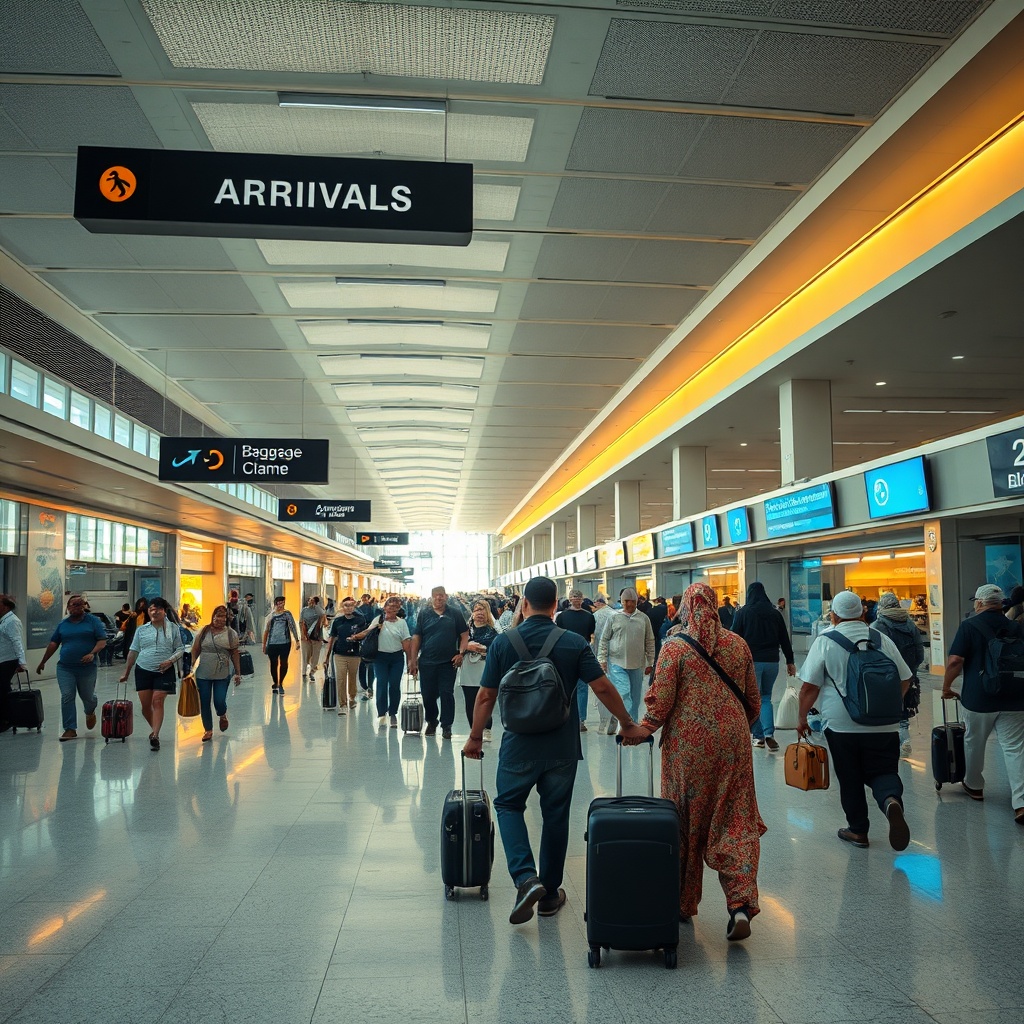
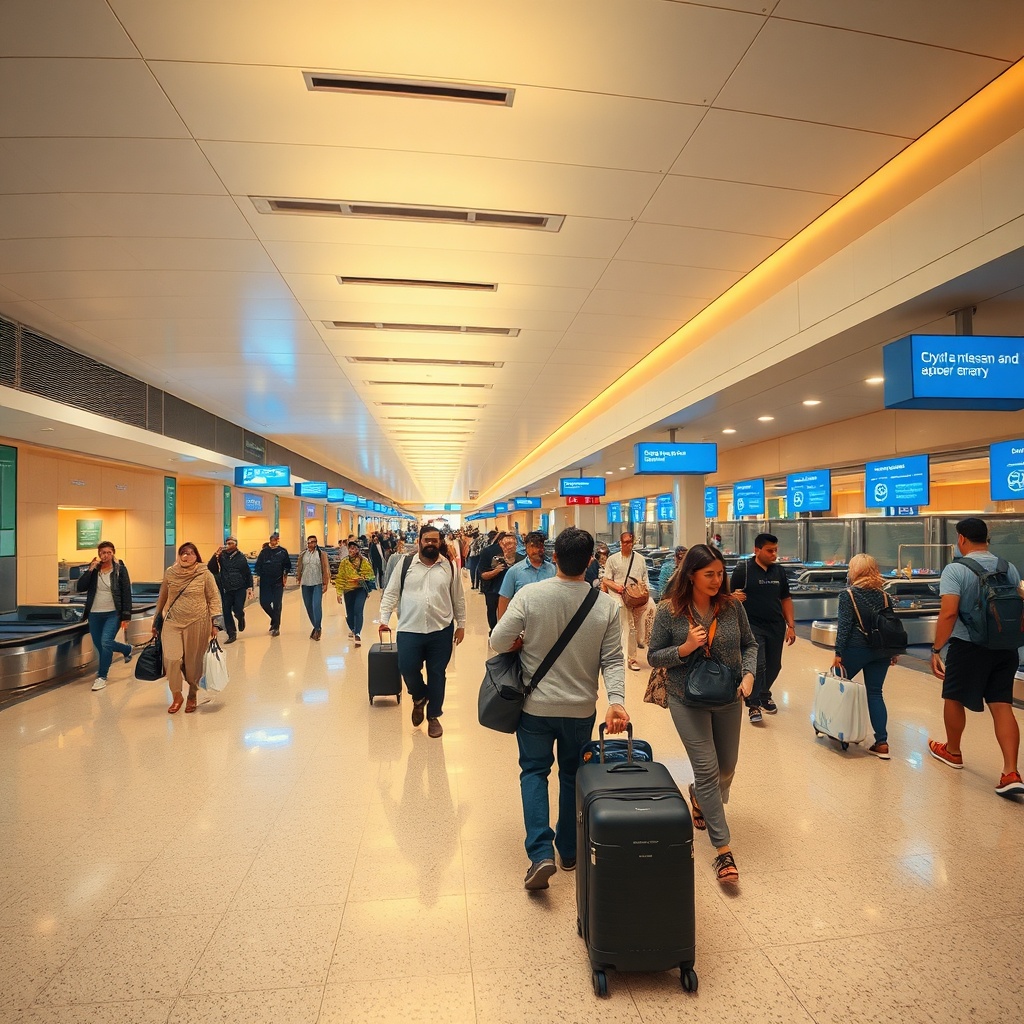
A vibrant depiction of the arrivals process, highlighting the modern facilities and welcoming environment for passengers.
Quick Answer: The Cairo Airport arrivals and departures process in 2026 involves three main terminals. Arriving passengers go through immigration, baggage claim, and customs. Departing passengers should arrive 3 hours early for international flights to complete check-in, security, and exit immigration.
The core of Cairo Airport arrivals departures 2026 is a clear, sequential set of procedures. Whether you're landing or taking off, the airport is designed to move passengers through a standard series of checkpoints. Understanding this flow helps you anticipate where you need to be and how long each step might take.
Arrivals: The Step-by-Step Process
- Disembarkation and Transit: Follow the "Arrivals" signage from the gate. For transit passengers, follow the "Connecting Flights" signage to the transfer desk.
- Immigration and Passport Control: Present your passport and visa (if required). Egyptian nationals and eligible foreign passport holders can use the e-gates for faster processing.
- Baggage Claim: Check the screens for your carousel number. Baggage delivery can take 20-60 minutes depending on the flight.
- Customs and Exit: Proceed through the green channel if you have nothing to declare, or the red channel for goods subject to duty.
- Ground Transportation: After exiting customs, you will find authorized taxi counters, ride-hailing pickup zones, and car rental desks.
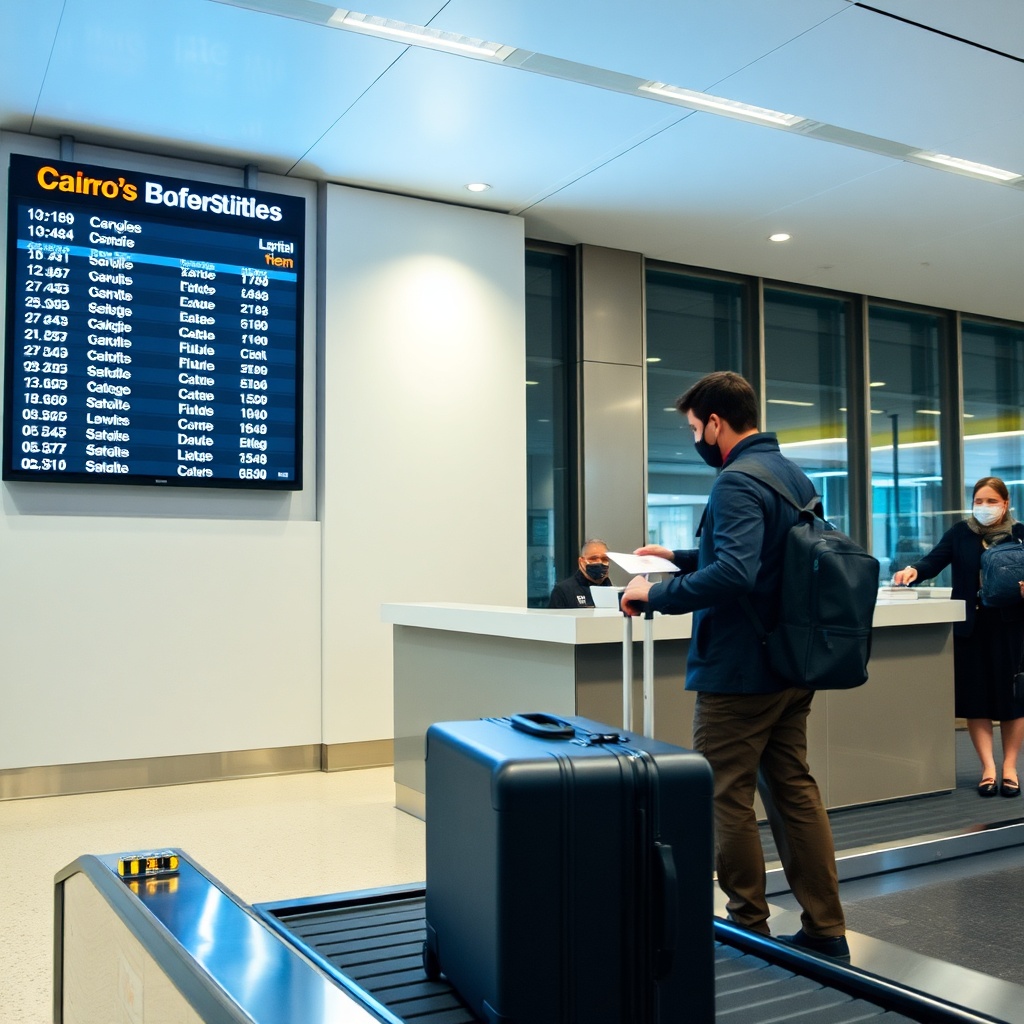
A focused look at the departure procedure, emphasizing the check-in area and the informational signage that guides passengers.
Departures: The Step-by-Step Process
- Check-in: Arrive at least 3 hours before an international flight. Locate your airline's desk in the correct terminal.
- Baggage Drop-off: Weigh and tag your bags. Ensure you adhere to the specific airline's baggage allowance.
- Security Screening: Pass through the main security checkpoint. Remove electronics and liquids from your bag as per standard regulations.
- Immigration (Passport Control): Complete the exit immigration process.
- Board and Depart: Proceed to your gate. Gates can be a significant walk from the main concourse, so allow ample time.
Terminal-Specific Guide for 2026: Where to Go and Why
Quick Answer: Terminal 1 serves a mix of domestic and regional flights, Terminal 2 is a refurbished option for several international carriers, and Terminal 3 is the premier gateway for EgyptAir and major global airlines.
Knowing which terminal you need is the most critical piece of information for your trip. Each terminal has its own set of check-in counters, gates, and amenities. The following Terminal-Specific Guide for 2026 helps you quickly identify your location.
Terminal 1: The Mixed-Use Hub
Terminal 1 serves a mix of international airlines, domestic flights, and some regional carriers. It is often the terminal for charter flights and smaller international airlines.
- Key Features: Standard amenities, including a smaller retail area and basic dining options.
- Best For: Budget airlines, domestic travel, and regional connections.
Terminal 2: The Refurbished Option
Terminal 2 was recently renovated to increase capacity and improve passenger flow. It is now a modern facility used by a number of international airlines.
- Key Features: Modern check-in areas, expanded retail space, and a more streamlined passenger experience.
- Best For: Passengers on specific international airlines that have moved to this terminal. Check your airline's confirmation to confirm your terminal.
Terminal 3: The Premier Gateway
Terminal 3 is the primary hub for major international carriers and Star Alliance partners. It is the most modern and largest of the three terminals.
- Key Features: Most modern facilities, including extensive duty-free shopping, a wider selection of restaurants, and premium lounges.
- Best For: Long-haul international flights and connecting journeys.
Comparison Table: Terminal 1 vs. Terminal 3
| Feature | Terminal 1 | Terminal 3 |
|---|---|---|
| Primary Airlines | EgyptAir domestic, some regional and charter carriers. | EgyptAir international, Star Alliance partners, and major global carriers. |
| Facilities | Standard amenities, smaller retail area. | Modern amenities, extensive duty-free, more lounges. |
| Transit/Connections | Serves as a hub for some domestic connections. | Designed for seamless international connections. |
| Usual Crowd Level | Generally less crowded. | Consistently busy with international traffic. |
Navigating Arrivals: Immigration, Baggage, and Customs
This section focuses on the practicalities of the arrival experience, offering tips to minimize waiting times and avoid common pitfalls.
Immigration: A Guide to Passport Control
The immigration hall is the first major checkpoint after you disembark. There are different lanes for diplomatic passport holders, Egyptian nationals, and foreign visitors. If you are eligible to use the e-gates, you can often bypass the queues.
- Step-by-Step: To use the e-gates, scan your passport at the automated gate and follow the prompts. This process is much faster than the manual counters.
- Pro-Tip: Have your hotel reservation and return ticket ready for the officer to expedite processing.
Baggage Claim: What to Expect
After clearing immigration, follow the signs to the Baggage Claim area. The carousels are clearly numbered, and your flight's carousel number will be displayed on the screens.
- Lost Baggage: If your luggage does not arrive, proceed immediately to your airline's baggage services desk in the arrivals hall to file a report. They will provide a reference number for tracking.
- Pro-Tip: Check the screens for your carousel number before proceeding to the belt to avoid confusion.
Customs and Currency Exchange
The final step in arrivals is the customs checkpoint. You will pass through the green channel if you have nothing to declare, or the red channel if you are carrying goods subject to duty.
- Currency Exchange: There are multiple currency exchange counters and ATMs in the arrivals hall of all terminals.
- Pro-Tip: Exchange a small amount of money at the airport for immediate needs, but use city exchange services for better rates.
The Departure Experience: Check-in, Security, and Pre-Flight
Quick Answer: For departures, arrive 3 hours early. The process is check-in, security screening, exit immigration, then proceed to your gate. Allow at least 15 minutes to walk to your gate.
The departure journey emphasizes time management and the essential steps to ensure a stress-free exit.
The Check-in Process: Online vs. Airport
- Online Check-in: Many airlines allow you to check in online and choose your seat up to 24-48 hours before departure. This saves a significant amount of time at the airport.
- Airport Check-in: If you cannot check in online, you will need to visit your airline's counter. Have your passport and booking confirmation ready.
- Pro-Tip: Use the self-service kiosks for baggage drop if available for your airline to skip the main queue.
Security Screening: Rules and Regulations
The security checkpoint is a mandatory step for all departing passengers. The process involves passing your carry-on luggage through an X-ray machine and walking through a metal detector.
- Key Rules: Standard international rules apply, including the 100ml limit for liquids in carry-on bags. Electronics such as laptops and tablets must be removed from your bag for separate screening.
- Pro-Tip: Prepare your electronics and liquids before reaching the security line to speed up the process.
Pre-Flight: Lounges, Shopping, and Gates
Once through security and exit immigration, you enter the airside departures area. This is where you will find duty-free shops, restaurants, and airline lounges.
- Duty-Free Shopping: The duty-free shops in Terminal 3 offer a wide range of products, including perfumes, cosmetics, and local goods.
- Pro-Tip: Check the gate number on your boarding pass early and allow at least 15 minutes to walk to the gate, as some gates can be a considerable distance from the main concourse.
Practical Guide: Transportation and Connectivity
This section addresses the logistics of getting to and from the airport, a critical aspect of the "arrivals and departures" experience.
Getting to/from the Airport: Your Options
- Taxis: The official airport taxi service is reliable and uses a fixed-fare system. You can find the taxi counters just outside the arrivals hall.
- Ride-Hailing Apps: Services like Uber and Careem have designated pickup zones at the airport. Follow the signs to the ride-hailing area to meet your driver.
- Public Transport: There are public bus services that connect the airport to various parts of Cairo. This is a budget-friendly option, though it may take longer.
Navigating Between Terminals (Transit)
For connecting flights, you may need to change terminals.
- The Shuttle Bus: There is a free shuttle bus service that operates between all terminals. It typically runs every 10-15 minutes and is the primary way to move between terminals.
- Pro-Tip: Allow at least 45-60 minutes for terminal transfers when booking connecting flights to account for waiting time and travel time.
Frequently Asked Questions (FAQ)
Q: How early should I arrive at Cairo Airport for an international departure in 2026? A: It is recommended to arrive at least 3 hours before your scheduled departure to allow ample time for check-in, security, and immigration.
Q: Is there a free shuttle between Cairo Airport terminals? A: Yes, there is a free shuttle bus service that operates between all terminals, typically running every 10-15 minutes.
Q: Which terminal does EgyptAir use for international flights? A: EgyptAir's main international hub is Terminal 3, which is also used by its Star Alliance partners.
Q: What should I do if my luggage is lost at Cairo Airport? A: Immediately proceed to your airline's baggage services desk in the arrivals hall to file a report. They will provide a reference number for tracking.
Q: Are there currency exchange facilities at Cairo Airport? A: Yes, there are multiple currency exchange counters and ATMs in the arrivals and departures halls of all terminals.
Conclusion
Successfully navigating Cairo Airport arrivals departures 2026 comes down to preparation and knowing the process. By identifying your terminal, understanding the step-by-step flow for arrivals or departures, and planning your timing—especially arriving 3 hours early for international flights—you can avoid stress and move through the airport efficiently.
Save this guide for your trip, and always check with your airline for the most up-to-date information regarding your specific flight and any potential schedule changes.